
Maison Law Immigration Lawyers can help employers through the H-2A visa process in the Central Valley. No industry is more important to the economy here than agriculture. And to make that work, it takes a huge investment in workers—some of whom are immigrants. That brings in questions about visas and what works best for your operation. We can help you through it all. Set up a free consultation today to learn more.
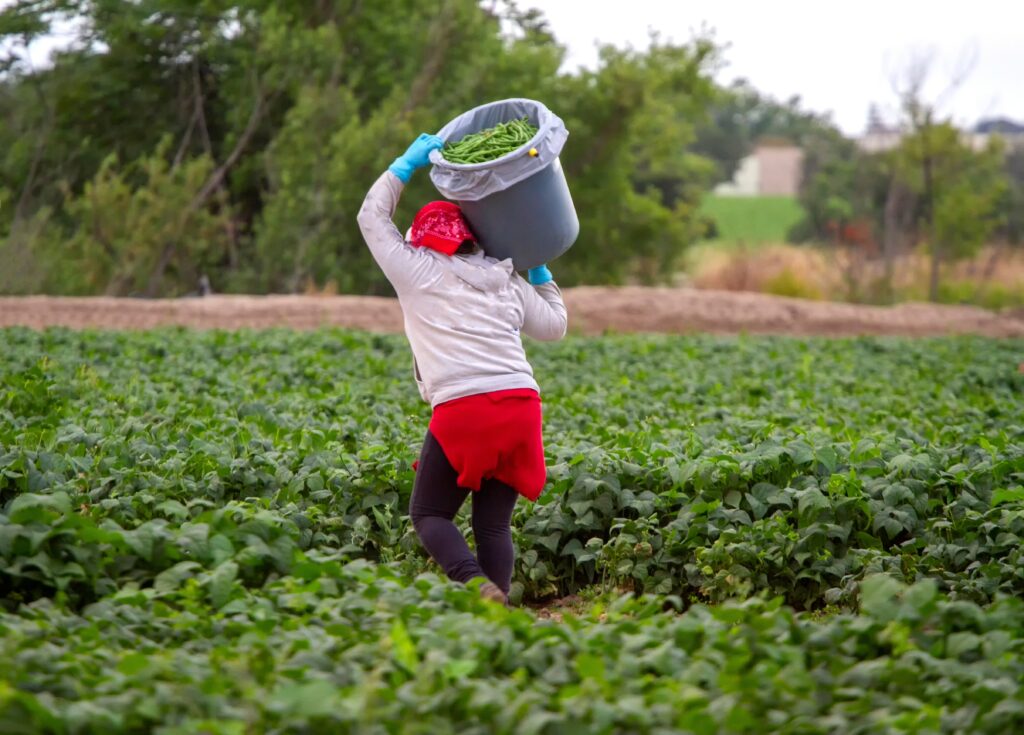
Why Agriculture Employers Need H-2A Visas
When you understand what an H-2A visa actually is, it quickly becomes apparent why they’re such a popular option for agriculture employers here in the Central Valley.
Specifically, an H-2A visa is a temporary work visa is for:
- Foreign workers during seasonal or peak-period farm labor when there aren’t enough available U.S. workers.
In the Central Valley, the H-2A program is especially important. Agriculture and farming here doesn’t slow down—harvests come fast, weather windows are tight, and crops don’t wait. When labor is short, it can put real pressure on everything from planting schedules to harvest deadlines. That’s when employers need workers that are able to handle:
- Fruit and vegetable harvesting
- Planting and cultivating crops
- Vineyard and orchard work
- Irrigation and field maintenance
- Packing and sorting produce
- Livestock and dairy farm labor
Unlike some other visa programs, an H-2A visa is focused entirely on seasonal and temporary jobs. It’s not for permanent roles, and it’s not limited to “highly specialized” occupations like an H-1B visa. That might tell you why it’s so important to the ag industry here, but it’s also important to know how the process actually works.
How the H-2A Process Works in Practice in Agriculture
Knowing that the H-2A visa program is available to you is one thing, but operating a farm, vineyard, or something else in the ag industry actually takes workers. So it’s important to know how you can go through the program to bolster your roster. Here’s the general steps:
- Completing a job order. It starts with the farm or agricultural business requesting permission to bring in temporary workers. A job order is filed showing the role, work period, and number of workers needed.
- Meeting wage and labor requirements. Employers must pay at least the required Adverse Effect Wage Rate (AEWR) and follow strict rules around working conditions, housing, transportation, and recordkeeping.
- Government review and approval. The application moves through the U.S. Department of Labor first, then to U.S. Citizenship and Immigration Services for final approval of the temporary labor request.
- Visa processing for workers. Once approved, workers apply for their H-2A visas at a U.S. consulate abroad. They go through screening and must show basic eligibility tied to the job offer.
- Arrival and seasonal work period. If everything is approved, workers arrive for the approved time period and work directly for the sponsoring employer during the season.
On paper, it sounds straightforward. In reality, there are multiple steps happening at the same time, each with strict deadlines that can affect the entire growing season if something gets delayed. You don’t want that to happen, and your business can’t wait around for snags.
What Documentation Helps With an H-2A Visa Application?
Although it’s built exactly for seasonal jobs, the H-2A process really comes down to one thing for agriculture employers in the Central Valley: showing what you need clearly and consistently on paper. That means that documentation is going to be extremely important, and the fuller it is, the better your chances are. Here’s what can really help your company’s application:
- The seasonal or temporary nature of your agricultural work, including planting or harvest timelines
- The number of workers needed and why that workforce level is necessary
- Job details like duties, worksite location, and expected duration of employment
- Wage information that matches the required Adverse Effect Wage Rate (AEWR) for your region
- Proof of recruitment efforts to hire U.S. workers first, as required by the program
- Housing arrangements that meet H-2A standards for incoming workers
- Transportation plans, when required, for getting workers to and from the job site
- Compliance history, including prior H-2A filings or any past issues that may need to be addressed
Obviously, the goal isn’t just paperwork and checking boxes. It’s about showing immigration officials what your operation is looking for and why it needs foreign workers to do that. This documentation and the actual process is important, but when you really need to get to work, having the right guidance can help everyone.
Do Central Valley Employers Need Help With the H-2A Process?
When you go into the agriculture industry in the Central Valley, you’re not worried about filling out forms, meeting government requirements, or any other paperwork. You just want a dependable workforce to keep things moving on schedule. Of course, there’s always pressure. Harvest windows are tight, weather can shift quickly, and even short gaps in getting workers can create real disruption in the field.
So while looking at foreign seasonal workers is an option, getting through the H-2A process correctly matters just as much as deciding to use it. With that, many agricultural employers in your position choose to work with someone who handles these cases regularly. That’s exactly where our team at Maison Law Immigration Lawyers can step in. We’ll guide you and your workers through the whole process, including:
- Helping you understand whether H-2A is the right fit for your operation
- Walking through filing requirements and what needs to be prepared before deadlines hit
- Organizing documentation so nothing important gets missed or inconsistent
- Managing communication with the Department of Labor and USCIS when questions come up
- Helping you stay ahead of compliance issues tied to wages, housing, and recruitment rules
Every farm operates a little differently—different crops, different seasons, different labor demands. That’s why there’s no one-size-fits-all approach here. Taking the time to understand your setup upfront makes the process a lot more manageable later on. If you want to know more about your H-2A visa options, reach out today for a free consultation.
